
Turn a scrap of an idea into a profitable Business or Product
Sometimes you have an idea that’s just niggling away inside your head about a business you could start but don’t know where to begin. Perhaps you’ve solved a problem or have a problem to solve and want to share that solution with the world. Or maybe you just have limited resources and want to make the most of what you have and maybe make a few more $$ from it. This article is all about that. I’ll help you brainstorm some ideas, identify problems then help you find solutions, evaluate your business ideas strengths weaknesses, opportunities and threats to your business.
These ideas come from my own experiences and perhaps they can help you in some way. Maybe they’ll spark an idea in your mind that will turn into a profitable money-making venture. Maybe you can start a small home-based business or side hustle and start that simpler lifestyle you’ve been dreaming of. Always get professional advice first though before committing to any business. My ideas are based on my own experiences and are simply my opinions so don’t rely on them alone, but they will help you get your creativity rolling! Read on and learn How to create business ideas to help you live a simple homebased lifestyle.
Brainstorming Ideas
So, what on Earth is Brainstorming you ask? Well basically Brainstorming is a way to create ideas. It can be done using Groups of people like your work colleagues, Family member, Community group, anyone with a vested interest in your idea or even just yourself. You are literally picking the ideas out of everyone’s mind in a storm of free flowing ideas and writing them down. More ideas will be sparked as everyone hears or sees them and starts to associate words, topics and ideas with knowledge, interests and experiences of their own.

As an example, I had already decided I wanted to write a blog but didn’t know what I wanted to blog about. So, I did a brainstorming session with a writing pad and wrote down all my hobbies, and life experiences including work and everything I thought I might know about. I simply kept the ideas free flowing to gather information about what I had experienced, and what I know that I could share with the world.
Out of that free-flowing scribble I came up with two Topics which interested me and I felt other people may be interested in which was Gardening and Chickens.
Free flowing words associated with These topics of Garden and Chickens was what do they produce which is vegetables, fruits and Eggs.
Cooking and recipes is associated with them . So, the next question is What exactly is this blog? Is it a cooking blog…is it a Gardening blog? Is it a blog about chickens?
When I looked at it closely and scribbled down more words it seemed obvious that it was a Lifestyle Blog. More specifically it’s a Home lifestyle blog.
But I wasn’t done yet because I knew that I know a fair bit about starting small businesses and how to fail at them right? Or at least I could help people do better at it. I also knew that I had experience of working from home and that many people were now looking towards that for a more balanced lifestyle.
So, I added this topic to my Home lifestyle Blog to become a “Work From Home lifestyle blog” with a generous dose of vegetable gardening, egg laying chickens and cooking from what you’ve grown.
This gives people multiple interests and reasons to visit my blog all encapsulated in a tidy Theme of Living and working a Home-based lifestyle.
And that was just to get to the idea of the Blog. I had other brainstorming sessions, though more narrowed now to work out how to make money from this blog, what to call it and what my marketing angle, central benefit or key theme.
My key theme is making something from virtually nothing and thriving.
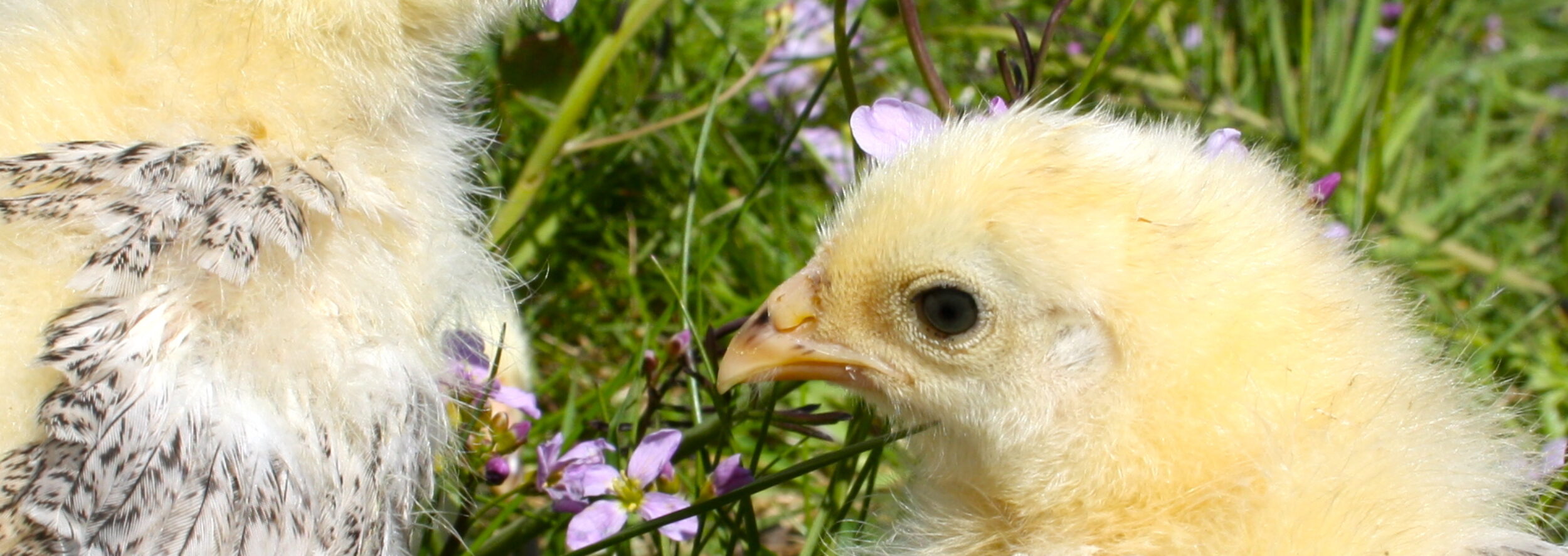
I had eggs, lemons and other produce and even a chook pen that was a recycled children’s cubby house. I was making the most of I what I had and have done that for years struggling with a growing family and one wage. When Life gives you Lemons,( and I have heaps), you make lemonade. When you have chickens you give them your food scraps and they turn that into delicious eggs.
So turn your scrap of an idea into something awesome!
How to Brainstorm ideas
1. Gather your resources
You will need your Human resources such as the people interested in, or skilled in your idea or project, Family, Friends or Business partners plus something to record all the ideas.
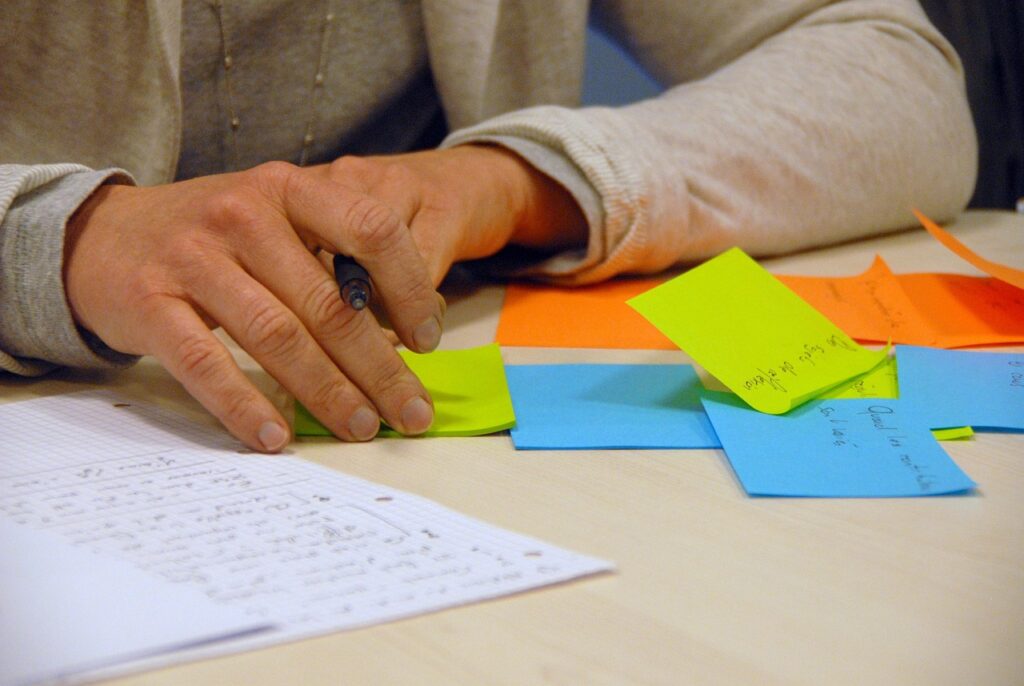
Find yourself a writing pad, a large art pad is good, or open up a blank word document, a computer notepad or a big old whiteboard on your wall.
Find a quiet place that’s comfortable and free from distractions. Try somewhere informal like a dining table, lounge, or casual meeting room to help the creative energy flow.
2. Select a topic
Next, we must work out what we are brainstorming about.
Is it simply a topic and everything we know about that topic or is it more narrowed down to business ideas revolving around that topic. Assuming it’s a new business idea you’re looking for start with what you are skilled in or your current product or service or job and ask for ideas to improve the product or service. How can I do it better?
We are going to free flow ideas based around the topic or question you have asked.
If it’s a problem you’re trying to solve in your business, then firstly define what that problem is then look for solutions towards that problem?
Defining the problem well is the first step in finding proper solutions.
For eg. Your problem might be finding a suitable business to start from home using your available skills and resources.
Ask questions about Who, What, Where, When , Why and How . This will help you define the problem and get better ideas towards a targeted result.
For example You might start with the topic of Eggs related to a Business. …Because you have lots of eggs and want to start a business right….or for no other reason than I’m, trying to show you an example. If you want to practice brainstorming try asking these questions, find more questions and see what answers you can find from those questions.
So, some questions you might ask are:
Who needs eggs?
Who doesn’t need eggs?
Who really needs eggs a lot?
Who came first the chicken or the…..ok I had to say that right.
What do they need eggs for?
What else can you do with eggs?
What is bad about eggs?
What’s good about eggs?
What’s an alternative to eggs?
What else can you use eggs for?
What’s a business that involves eggs?
What do egg business’s need?
Where are these people/businesses that need eggs?
Where do they get their eggs from?
When do people or businesses need eggs?
When do people or businesses eat or use eggs?
When do they have egg supply problems?
When are eggs bad?
When are eggs good?
Why eggs?
Why not eggs?
Why do we people eat or use eggs?
Why are eggs that colour, shape, size?
How do I know an egg is bad?
How do I know an egg is good?
How eggzactly should I stop asking egg questions?

I think you get the picture. If you follow this exercise through you could come up with all sorts of questions and answers sparking ideas.
3. How to brainstorm
Once you’ve identified your topic and question you want answered you should ask people to think of ideas revolving around that topic and question.
Define the purpose of the exercise or meeting to everyone which is to brainstorm ideas around that topic and question. Allow a specific time frame of say 5- 15 minutes per session. This helps give a sense of urgency to push creativity but also an end time so if people are struggling it give you a break. It’s supposed to be a positive rewarding experience. So make it fun and creative even if you’re serious about it.
If you need more visual talking points use some pictures or related objects to get the discussion started.

Write the question out and invite everyone to either write down their ideas or say them out so someone/or yourself can write them down on the whiteboard or your notebook. Remember we are trying to be creative so all answers or ideas are valid and should be written down, even if they sound a little silly. You will analyze your ideas later and perhaps give them a rating so silly ones will be dropped anyway.
Or perhaps those silly ideas are the gold you’ve been looking for.
You may have used a brainstorming session already to simply ask the questions about eggs to define your topic and ultimate question. Some of those seem a little ordinary and silly but they may spark further ideas. As an example Questions like Who uses eggs, why they use them and what business uses eggs might be answered by someone who knows A circus Clown who Juggles eggs on a Unicycle. I’m sure Egg Juggling Clowns on unicycles probably go through a few eggs, which you could supply but it’s also bought up the Topic of Unicycles, Clowns, Jugglers and circuses, all of which may have other opportunities or business ideas that you never would have thought of.

You can always leave this sit for a while and have another brainstorming session later, perhaps revolving around a more specific business idea that you have discovered.
4. Research and evaluate
Once you’ve identified some areas of interest there or businesses that you could either start or run a business related to that, you should research the topic further with other resources and then evaluate the idea for further feasibility.
Use the internet to research your area of interest. A simple google search or your favourite search engine will give you plenty of information on your chosen business ideas. Use it to find out how popular the idea or business product might be and how much competition you might have.
You might use an AI or Artificial Intelligence tool to help you but please, make sure it’s one that quotes the references used so you can check the accuracy of the data provided by them.
Community groups and social media like facebook groups or reddit are a wealth of information and well worth joining in on the conversations to help you understand your idea better and its likelihood of success.
Join business discussion groups related to your topic. Put to the side those ideas that you simply don’t like and focus on your top 3-5 business ideas.

Now it’s time to evaluate them.
I would evaluate each business or idea based on the following attributes but it’s not limited to these so you may choose your own that suits you better. This is just to give you a starting point:
- Competition
- Popularity
- Interest (How interested are you in the idea)
- Potential income
- Physical resources you have for it. (Property, equipment etc
- Intellectual resources (knowledge and licensing etc)
- Monetary resources (how much money you have for it or loan availability)
- Lifestyle balance (is it going to be too difficult to work at home)
- Skills you have
- Storage and workspace
- Security
- Operating costs/expense (Insurance, electricity water etc)
- Safety and noise concerns (you have limits on what you can work at home right)
- Simplicity factor
- Scalability
Draft up a simple graph (using graph paper) or column chart and rate each business choice with a rating of 1-10 for each parameter or attribute with 1 being low and 10 being high.
You could also make an excel spread sheet or similar, to allow more complex evaluation.
Add up all the scores and see which ones have the highest overall scores. Perhaps your new business idea is in that group?
Or perhaps you place more weight on individual attributes like Potential income, your monetary resources or lifestyle factors. This at least gives you a visual representation and starting point for discussion.
As an example I have already chosen my top 5 homebased business ideas in my blog post where I evaluated 15 potential homebased businesses that could be easily started at home. You can check it out here: 15 Money Making Business’s You Can Start From Home.
Remember this is all just preliminary investigations and enquiries to help you flesh out the feasibility or interest in your business idea. You should look further into business models, accounting and finance plans and professional business plans before committing to any business idea . Likewise, if you already have a business and are using my brainstorming ideas to create new products or promotional ideas. You should seek professional advice before committing to any of these ideas.
To summarise
The examples I’ve used here are for generally creating Business ideas and services or Business products for a Homebased business. You can use the same techniques or ideas for finding solutions to many other problems or topics.
- Brainstorming ideas involves gathering people with knowledge and interest in your project to create ideas.
- Ideas created should be free flowing, and all recorded to spark further discussion
- Ask questions about your general topic or problem like Who, What, When, Where, Why and How to help define the topic or Problem
- Define your topic or problem to solve
- Set reasonable time limits on the discussion or have as many further sessions as you need to gain ideas.
- Research your solutions to the topic or problem further using outside resources like online community groups, books and organizations.
- Evaluate your ideas using a chart or spreadsheet to help gain clarity on the best option for you.
What’s The Next Step
Now you’ve discovered your Potential new Business idea it’s a good time to apply it to a SWOT Analysis to evaluate your idea further.
SWOT stands for Strengths, Weakness’s, Opportunity and Threats.
You can use this tool to evaluate your Business idea. It will highlight your Business key features and positives plus any possible chinks in the armor so to speak. You can read more about SWOT analysis on my next blog post.