Homegrown Citrus
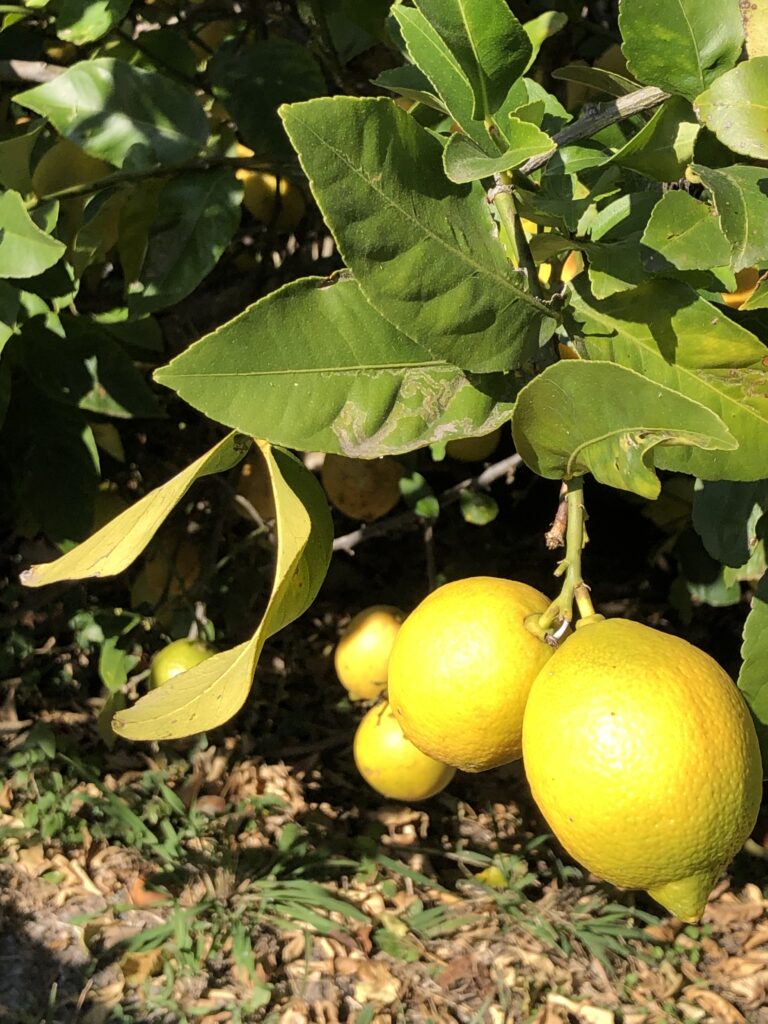
I’ve always loved the idea of having food growing right in my own backyard. A lemon tree is one of the most versatile food producers and so easy to grow. They might take a while to really put out some fruit, but after a couple of years you’ll have so many lemons you’ll be giving them away. Lemons have so much going for them from their delicious fresh smell that adds a lemony touch to fish dishes, desserts and preserves. My homemade Lemon cordial is a treat I look forward to making every Spring, once my Lemon crop is ready for picking. Lemon butter, Creamy lemon cheesecake, Lemonade and Lemon soap are just a another few of the amazing recipes and ideas for the humble lemon.
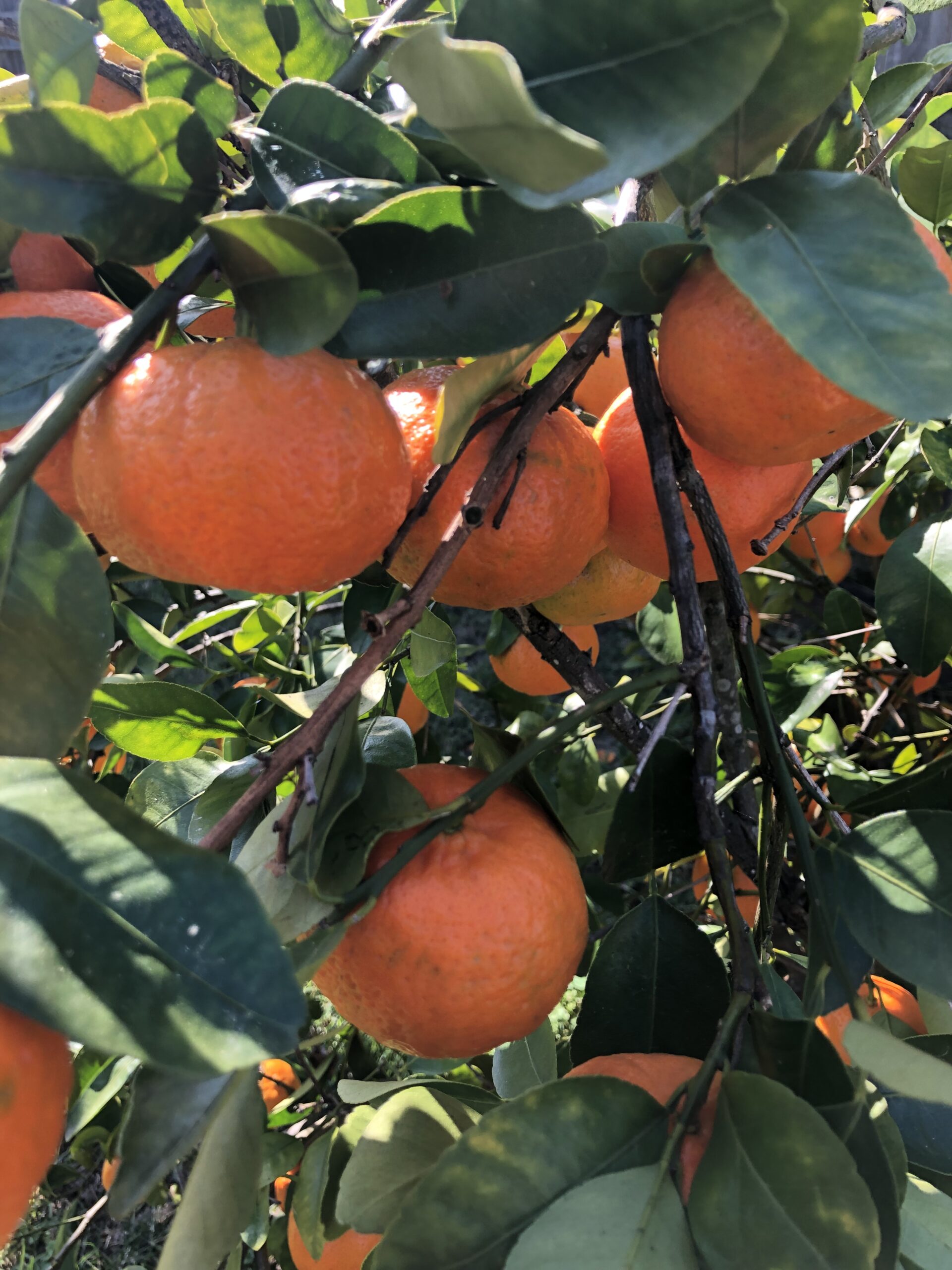
My all-time favorite though is a Mandarin tree. This delicious orange fruit whose origins are from China and east Asia, make a great lunchbox school snack as they are easy to peel and eat with no cutting required. Every winter I enjoy picking a ripe mandarin each day and eating it while watching the chooks and the sunset in my backyard. I’m sure the Vitamin C in them helps keep the winter colds at bay. Imperial mandarins are the easy peel variety.
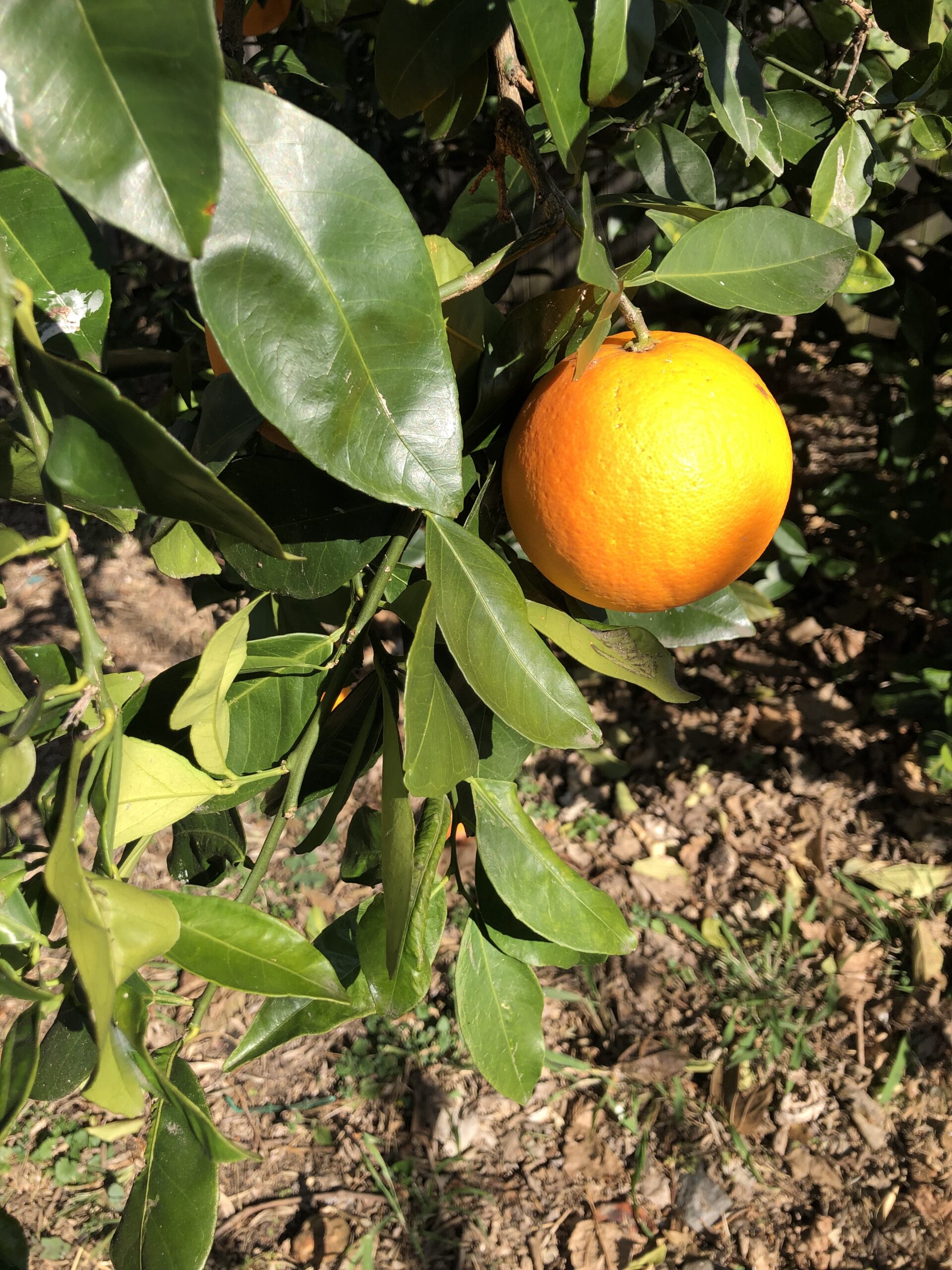
Oranges are another great Citrus to plant and they have some great space saving dwarf varieties now. Mine grows to around 2 metres tall and 2 metres wide and has produced a few dozen fruit each season, though it is partly shaded by some larger trees so I’m sure its capable of more. I like to juice them, and sometimes add a little to my iced lemon tea. Orange Marmalade is another favorite of mine, delicious on toast. You can also make a tangy cake that uses a whole orange. The two main varieties are Navel and Valencia.
Limes are a great addition to your citrus collection. The fruit are used like Lemons with the added benefit of the leaves used in cooking if you choose to grow Kaffir limes. Tahitian limes are the best variety if you want juice. Slice them in quarters and freeze them ready for drink additions or use the juice as a substitute for lemon juice.
Another Lime variety is the Finger Lime. It’s an Australian native. Growing to 6 metres tall, this thorn filled shrub produces small, Finger shaped fruits. It has a caviar style flesh that can be added to salads, sushi, deserts or as an ice cream topper.
Kumquats are a small citrus fruit that comes in a round plum sized fruit and an ovel shaped one. Both can be eaten straight from the tree, skin and all (spit out the seeds though) or turned into marmalade, preserves or tangy sauces to accompany meat dishes.
Citrus Varieties
There are many varieties of citrus available today with all sorts of hybrids and crosses giving a multitude of choices. The table below gives at least a good starting point to help you choose from some of the main ones.
| Citrus Plant | Variety *Dwarf available | Size (meters) | Cold tolerance | Harvest Time | Best use |
| Lemon | Eureka | 4 x 6 | X | All year | Juice |
| Lisbon | 3 x 6 | Yes | Winter | Juice | |
| Myer* | 2 x 5 | Slight | Winter | Juice | |
| Lemonade* | 2.5 | Slight | Winter/Spring | Fruit | |
| Orange | Valencia* | 4 | Slight | Spring | Juice |
| Navel* | 4 | Slight | Winter | Fruit | |
| Blood* | 2.5 | Slight | Winter | Fruit | |
| Mandarin | Imperial* | 4-5 | Slight | Winter | Fruit |
| Honey* Murcott | 4-5 | Slight | Winter | Fruit | |
| Lime | Kaffir* | 4 | Slight | X | Leaves |
| Tahitian* | 4 | Slight | All year | Fruit | |
| Finger Lime | 5 | X | Summer/Aut | Fruit | |
| Kumquat | Nagami (oval) | 3 | Yes | Winter/Spring | Jam |
| Marumi (Round) | 3 | Yes | Winter/Spring | Jam |
Planting
Best time of year to plant citrus is Spring and Autumn so the trees can get established before the cold of Winter hits. Choose a sunny spot that’s not too close to buildings or fences unless you want to share your fruit with the neighbors.
Citrus prefer well drained soil built not so well draining that all the moisture disappears or you’ll have dried fruit. If you have clay soil which holds a lot of moisture, loosen it up with some sandy loam, compost or a good quality citrus soil mix.
Remove all the grass and weeds from around the planting area for around 1 square metre. Dig up the soil and mix in any soil or compost you wish to add. Dig a planting hole about twice as wide and deep as the pot the tree came in. Water the bottom of the hole to ensure water gets down to the roots. Add some of your soil to the bottom of the hole to raise the plant up to retain the same soil level the plant is currently at. This means planting it no deeper than the top of the potted soil.
Loosen the plants roots a little so they are ready to grow outside of the confines of the pot or bag they were in.
Water in well then mulch well with sugar cane mulch, tee-tree mulch or straw to retain moisture and keep the grass and weeds at bay. Water every second day for the first 2 weeks then weekly after that.
Fertilize with a good slow release fertilizer or blood and bone, chicken manure pellets like Dynamic lifter or homegrown composted chicken manure at the start of every season. (Though my Dad told me 3 times a year – March, July and November).
Pests
Citrus have relatively few pests. Common pests can be aphids (sap sucking insect) , Leaf miner (moth larvae), fruit fly and stink bugs.
Remove stink bugs by hand if you can or spray the tree with a homemade garlic/chilli spray to deter most pests . Fruit fly will be handled with some fruit fly traps and be sure to dispose of any affected fruit before larvae hatch.
Mildew can also be a problem at times which is a type of mould. Spray affected leaves with white oil or milk/water solution.
Harvest
Harvest fruit according to the schedule above. You’ll know when the fruit is ready because it should easily come off the tree by hand, have most if not all green colouring gone from the skin. The best way to know is simply pick one and taste it! If they start falling off the tree and are fully plump they are way ready.
How to use
Citrus fruit have so many uses I couldn’t list them all. Apart from just enjoying the fresh fruit eaten or juiced you can find some great ideas on my blog recipes page which I will update as I cook and taste more. I also use orange peel and vinegar for a great natural cleaning spray and all citrus peel can be dried for use in medicinal and herbal teas.
Common recipes include:
- Lemonade iced tea
- Orange cake
- Marmalade
- Lemon soap
- Lemon or lime cheesecake
- Lemon cordial